
-

Your Languageespañol


WHAT ARE YOU LOOKING FOR?
Your Languageespañol
En la industria de los escapes de automóviles, la gestión eficaz del calor es fundamental para el rendimiento, la durabilidad y la seguridad. Dos de las soluciones de aislamiento térmico más utilizadas son el revestimiento cerámico (a menudo denominado revestimiento cerámico horneado) y el revestimiento de escape (a veces llamado informalmente "aislamiento de microesferas", generalmente fabricado con fibra de vidrio o fibras de basalto/lava). Si bien ambos tienen como objetivo reducir la transferencia de calor, sus principios de funcionamiento, características de rendimiento y efectos a largo plazo son bastante diferentes.
Este artículo compara estas dos tecnologías desde múltiples perspectivas para ayudar a los entusiastas, ingenieros y fabricantes a tomar decisiones informadas.
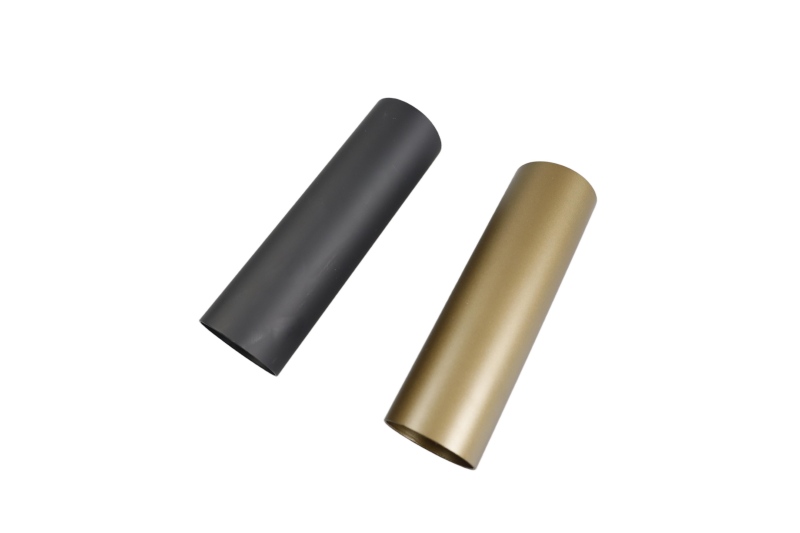
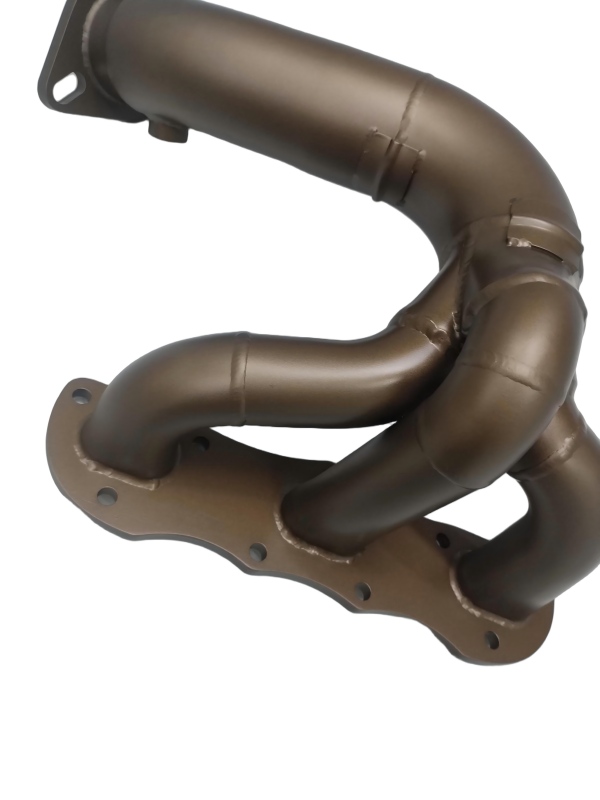
El recubrimiento cerámico es una capa delgada y resistente a altas temperaturas que se aplica directamente sobre la superficie de componentes de escape como colectores, bajantes y carcasas de turbo. Tras su aplicación, el recubrimiento se cura a altas temperaturas, formando una capa cerámica densa y duradera.
Refleja y retiene el calor dentro de los gases de escape.
Reduce la radiación de calor al compartimiento del motor.
Crea una barrera térmica entre el escape y los componentes circundantes.
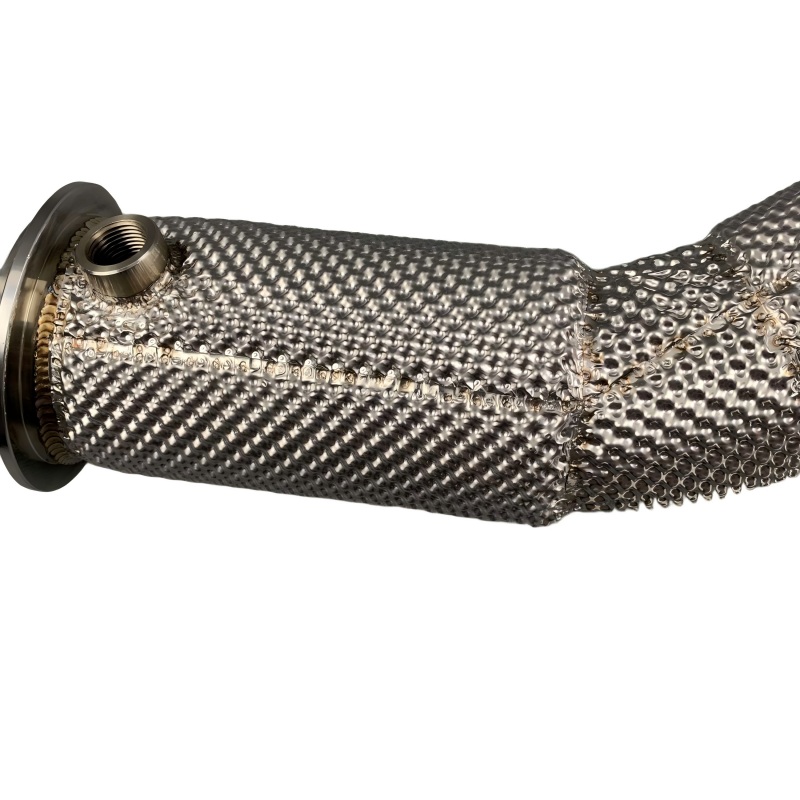
El envoltorio de escape es un material aislante similar a una tela, generalmente hecho de fibra de vidrio, basalto (roca de lava) o fibras de sílice, que se envuelve firmemente alrededor de los tubos de escape.
Atrapa físicamente el calor dentro del tubo de escape
Reduce la temperatura de la superficie al limitar la convección y la radiación.
Actúa como una manta térmica externa.
Proporciona una retención de calor constante y controlada.
Reduce las temperaturas de la superficie externa entre un 15 y un 30 %
Mantiene la velocidad de los gases de escape, mejorando la limpieza y la respuesta del turbo.
El rendimiento del aislamiento térmico se mantiene estable a lo largo del tiempo.
Puede reducir significativamente la temperatura de la superficie inicialmente (a veces más que el recubrimiento cerámico)
La eficacia depende en gran medida de la técnica de envoltura y de la calidad del material.
El rendimiento puede degradarse a medida que el envoltorio absorbe humedad, aceite o suciedad.
Veredicto:
El revestimiento del escape puede ofrecer un aislamiento más fuerte a corto plazo, pero el revestimiento cerámico proporciona un rendimiento térmico más estable y predecible a largo plazo.
Resistente a la corrosión, oxidación y productos químicos.
No atrapa la humedad
Puede durar muchos años en condiciones adecuadas.
Ideal tanto para uso en calle como en pista.
Propenso a la retención de humedad, lo que puede acelerar la corrosión de las tuberías.
Las fibras pueden degradarse bajo ciclos de calor repetidos.
Requiere inspección periódica y reemplazo.
Veredicto:
El revestimiento cerámico supera claramente al revestimiento del escape en cuanto a durabilidad y vida útil.
Protege las superficies metálicas del calor extremo y la oxidación.
Ayuda a prevenir el agrietamiento y la fatiga del metal.
Adecuado para sistemas de acero inoxidable, acero dulce e incluso titanio.
Puede causar puntos calientes localizados
Aumenta el riesgo de fragilización y agrietamiento del metal.
Particularmente riesgoso para tubos de escape de paredes delgadas o de acero dulce.
Veredicto:
El recubrimiento cerámico es más seguro para la salud de los componentes del escape a largo plazo.
Requiere aplicación y curado profesional.
Costo inicial más alto
Mantenimiento mínimo una vez aplicado
Fácil de instalar en casa.
Bajo costo inicial
Requiere inspección regular y posible reenvasado.
Veredicto:
El revestimiento del escape es más accesible para los usuarios aficionados, mientras que el revestimiento cerámico es una solución que se instala y se olvida.
Apariencia limpia y profesional
Disponible en múltiples colores y acabados.
Mantiene la apariencia a lo largo del tiempo
Look inspirado en las carreras
Puede decolorarse, deshilacharse o quemarse con el tiempo.
Puede liberar fibras durante la instalación y el uso.
No existe una solución única para todos, pero la elección depende de las prioridades:
Elija el revestimiento cerámico si valora:
Durabilidad a largo plazo
Resistencia a la corrosión
apariencia profesional
Gestión térmica consistente
Elija una envoltura para el escape si valora:
Bajo costo inicial
Instalación de bricolaje
Solicitudes a corto plazo o centradas en una trayectoria
Para la mayoría de los autos de calle, modelos de alto rendimiento y soluciones OEM, el revestimiento cerámico es el método de aislamiento térmico superior y más confiable. El revestimiento de escape sigue siendo popular en los deportes de motor y en modelos económicos, pero conlleva desventajas que no deben ignorarse.

Teléfono : +8655165579403
Correo electrónico : info@cnjagrow.com


© 2026 Proveedor de piezas de tuning automático de rendimiento Jagrow Reservados todos los derechos.